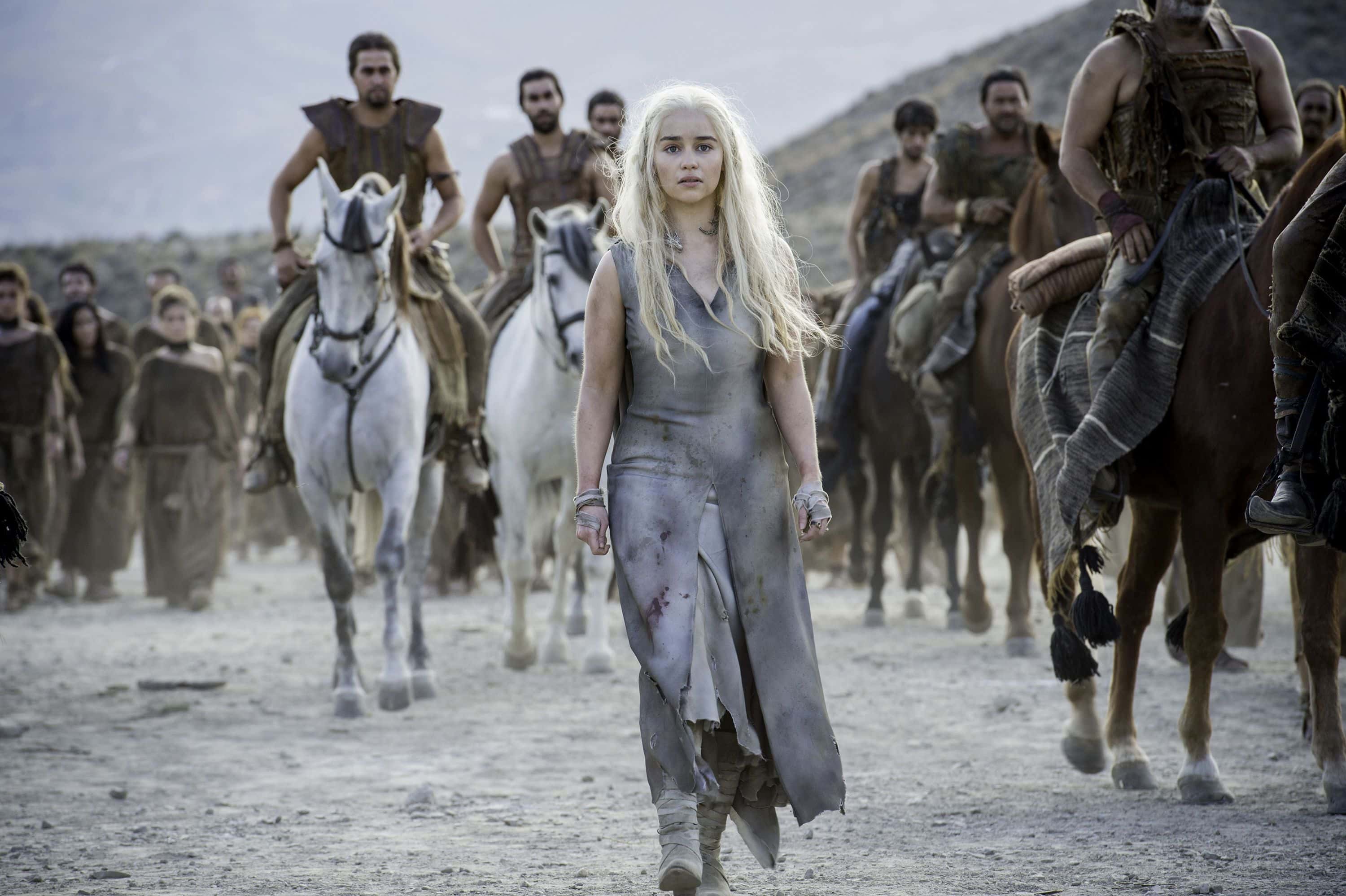
The problem this season on Game of Thrones continues to be plotlines that seem horrendously out of place.


Aaron has been playing games since the late ’80s and writing about them since the early ’00s. He also writes about crossword clues at The Crossword Scholar.
The problem this season on Game of Thrones continues to be plotlines that seem horrendously out of place.

Just as the game isn’t content to rest on clichéd gameplay conventions, neither does it lean on stereotypical villains.
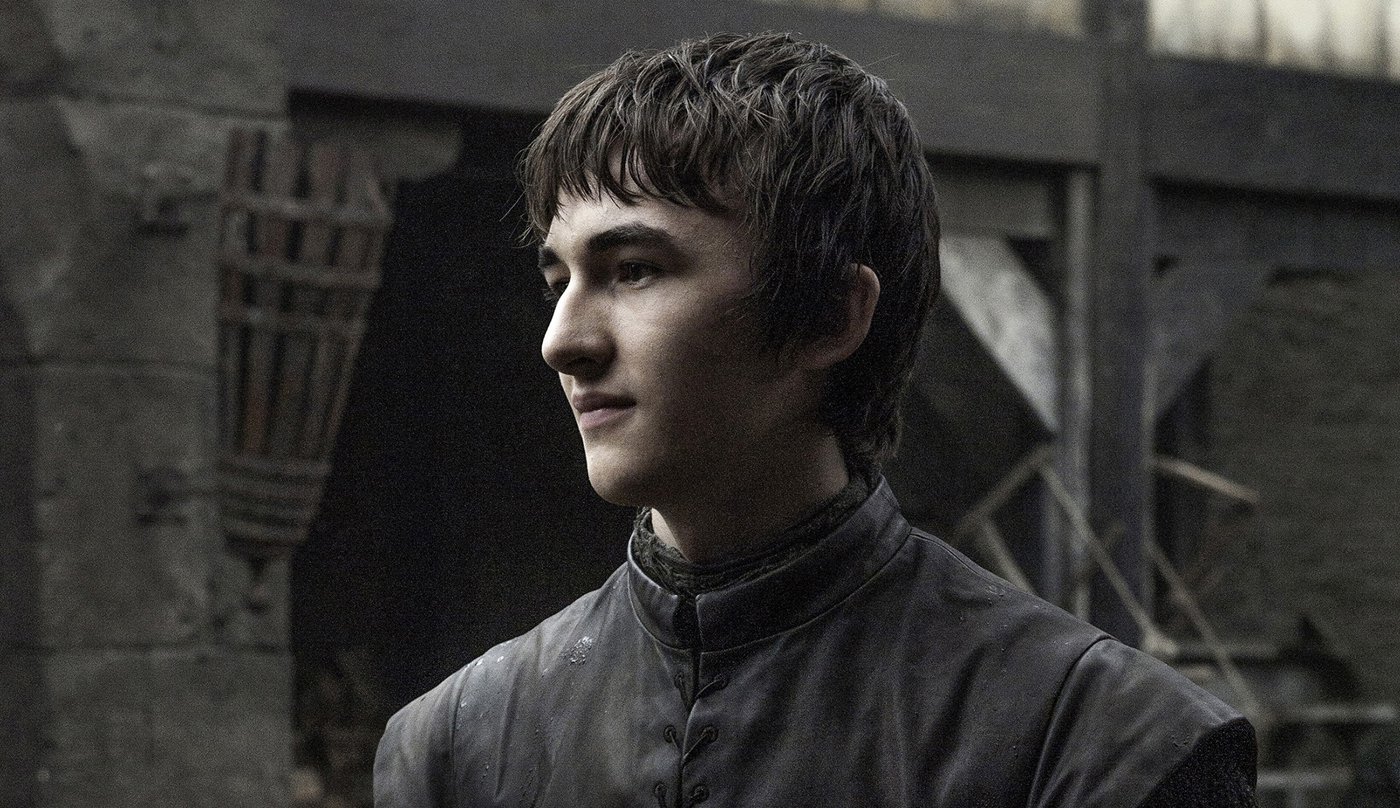
Many of the events in Game of Thrones are developing so quickly that plot, by necessity, substitutes for development.

The game is almost literally built for those who, as kids, couldn’t help playing with their food.

The film crams in jokes long past the point of relevance and often to outright distraction, if not annoyance.

The episode sees the writers ruthlessly beginning to sew up loose (or underdeveloped) plots.

The game gets lost in metonymy, the act of substituting a label for something of a real substance or meaning.

No wonder the game leans so heavily on pop-culture references, as they help to distract from the relative emptiness of the game itself.

Dark Souls III is the most evolved, accessible entry in the series, making a lot of intelligent choices from Bloodborne when it comes to enlivening combat.
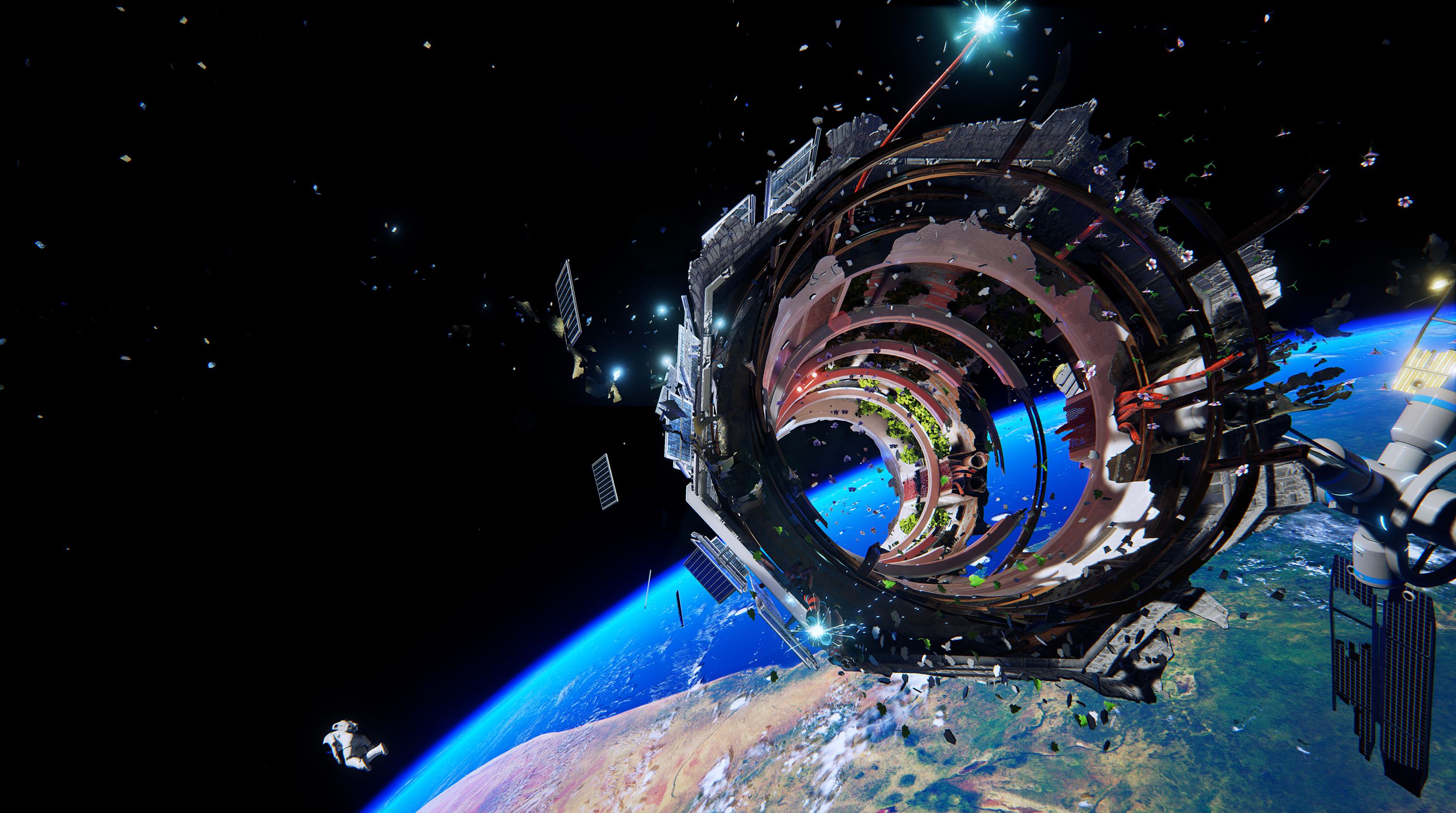
Unlike Gravity, which spaced out its most fraught scenarios between moments of calm, it’s in a constant state of panic.

It leaves the combat to speak for the story and trusts its murderer’s row of cool ideas to, well, murder players.
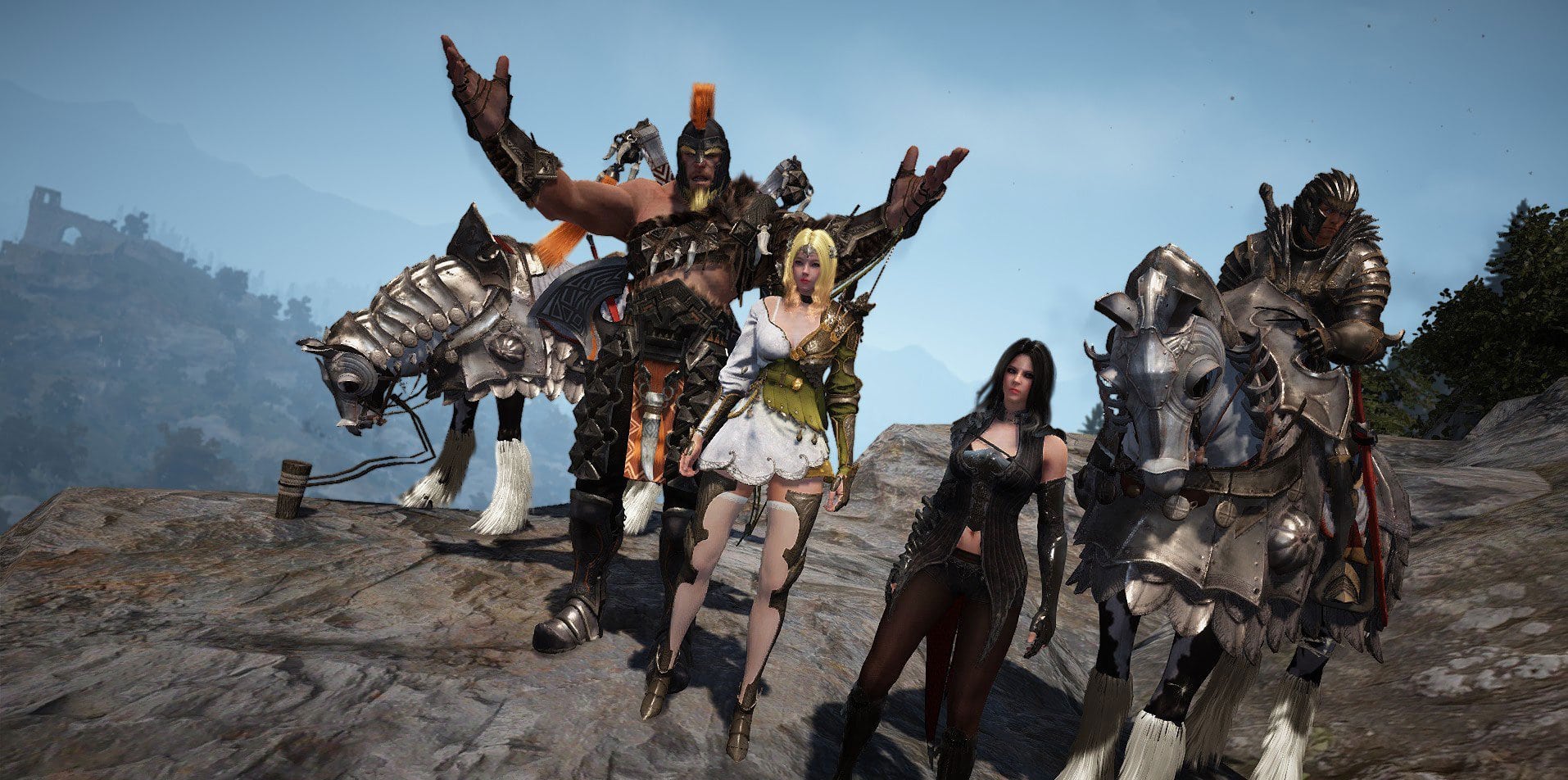
Those desperate for a way to stay busy will find a seemingly inexhaustible number of grains of gameplay here.

Season two of Daredevil reveals that continuity of characterization is often more graceful and compelling than increasingly tiresome displays of martial-arts kineticism.

The irony here is that the more control it supposedly affords Hope, the worse the game itself functions.

They say that New York City never sleeps, and those who play The Division may understand the feeling.
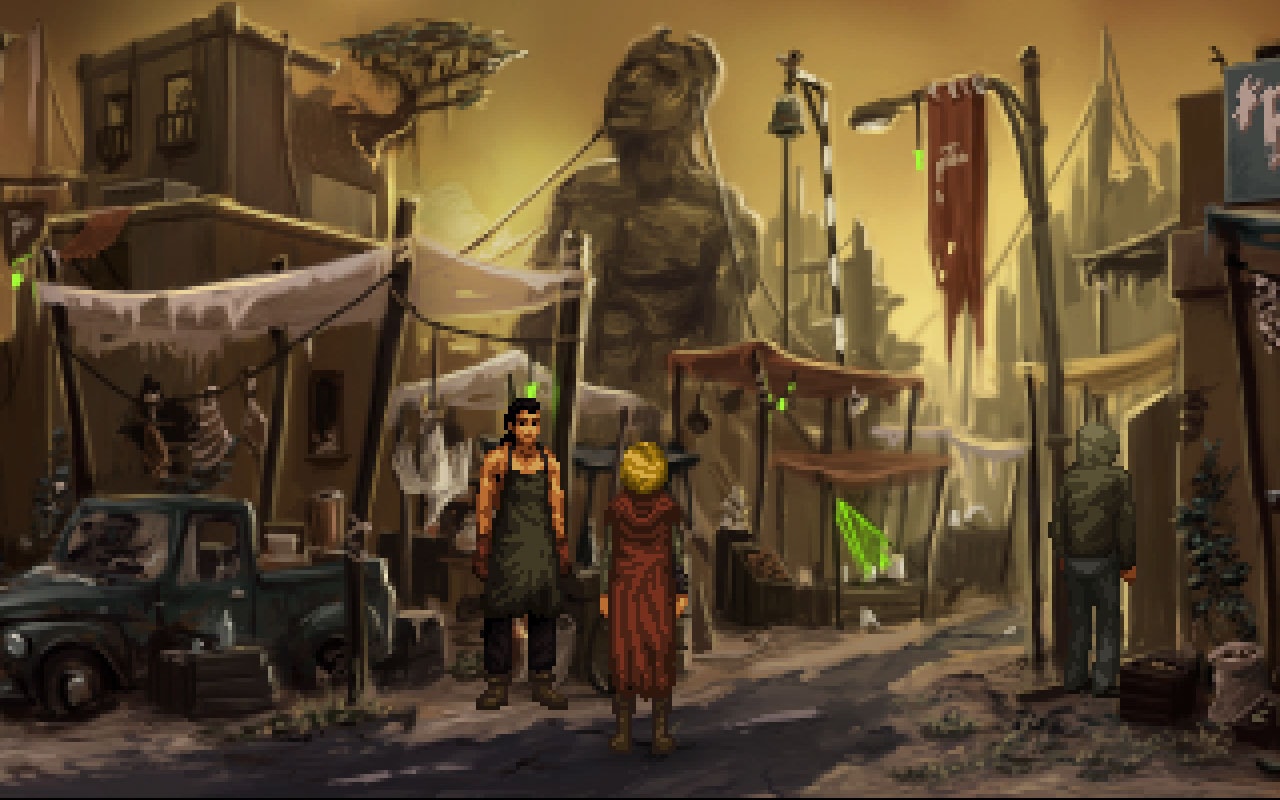
The game’s twist is costly, as it leaves nothing else for players to discover in the nuance-less second act.
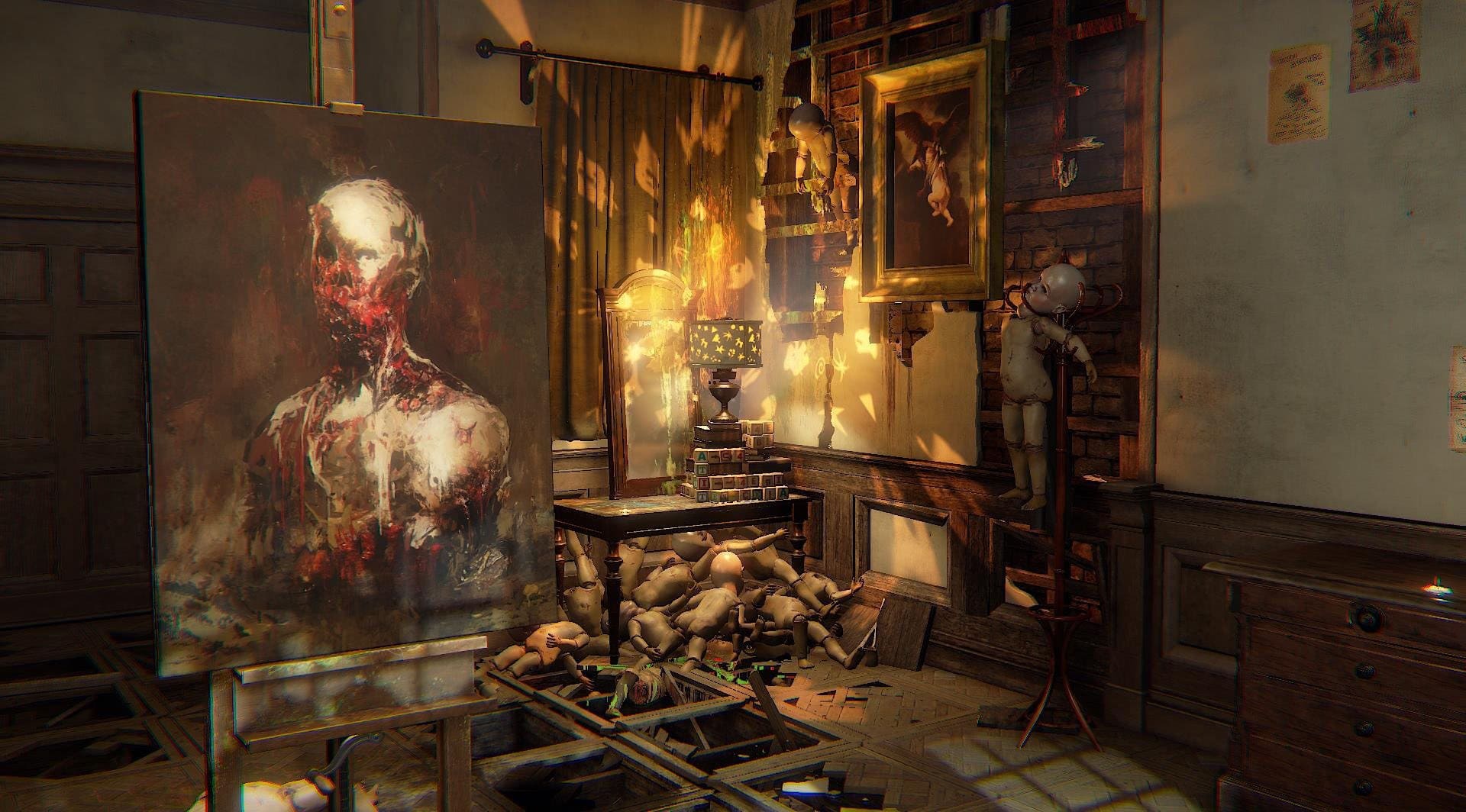
The game renders its gory images in detailed and creative ways, never hinging on generic jump scares.
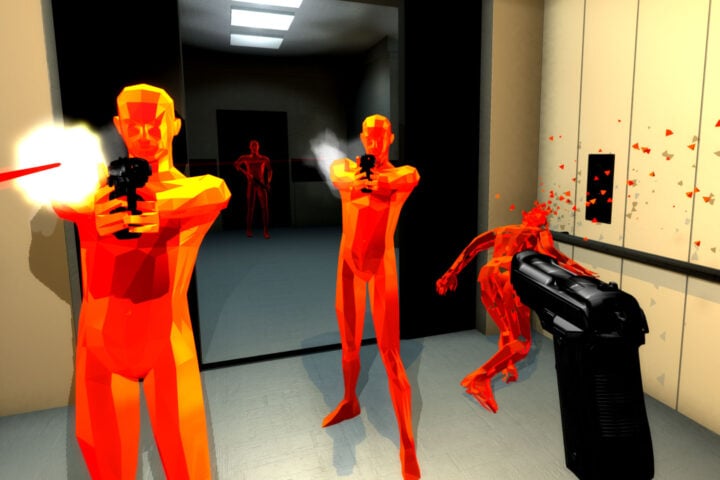
Its methodical, stop-motion approach to gameplay forces players to be as economical as possible.

The game earns its beauty, though the narrative isn’t always as tightly knitted together as it needs to be.
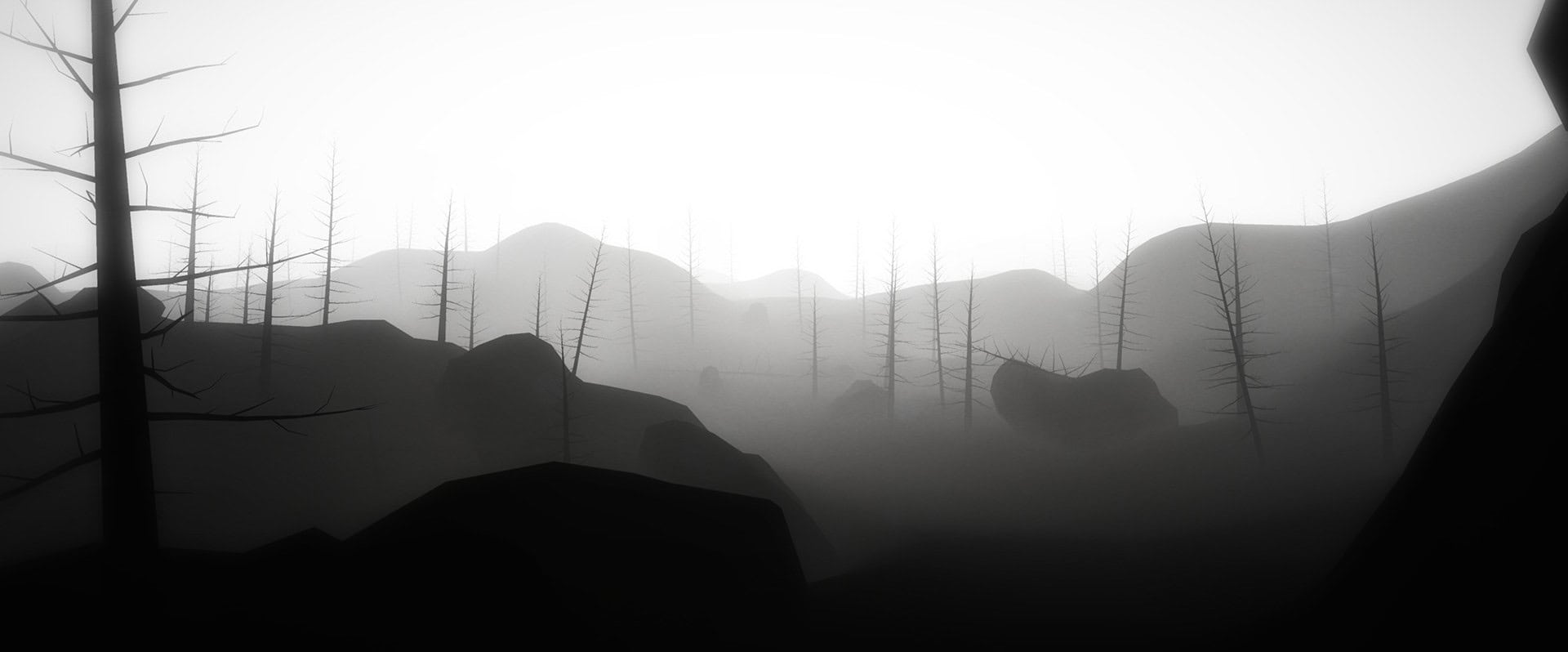
At best, Doors is a game about the illusion of choice, and Weibel’s is the only one that matters.